 MUSIC
NOTES
MUSIC
NOTES
MUSIC
NOTES
STAND AND BE COUNTED
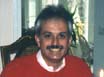
There’s an awful lot to admire about David Crosby.
In recent years, he has battled back from a very public battle with cocaine addiction, a fight that landed him in a Texas prison, but from which he has ultimately come back strongly. In the mid 90s, he underwent a successful liver transplant, and most recently provided the means of fatherhood so friends could start a family.
And, obviously, that doesn’t even touch on a towering music career, which began with the Byrds in Southern California in the early 60s, led to the torch bearing harmonic synchronicity of Crosby, Stills & Nash (and, sometimes, Young) and his solo work with his son James Raymond and Jeff Pevar. In addition, as perhaps the finest harmony singer around, his voice is heard on numerous other projects, a good example of which is Phil Collins’ "Another Day in Paradise." A two-time member of the Rock & Roll Hall of Fame, his recent reunion tour with CSNY is living proof of his staying power.
Yet, through all the times of music and personal growth and strife, one area of Crosby’s life doesn’t get quite as much public attention. That is his steadfast political activism, his "walking the walk" for those causes and beliefs that he finds important and crucial as an American citizen.
Thankfully, both his own personal activism, and a history of others in the rock music era, are brought to the forefront in his new book, "Stand and Be Counted," co-written with longtime friend, "George" magazine editor David Bender.
What is so breathtaking and refreshing about this book is that, while Crosby and Bender intertwine their individual stands on behalf of a staggering number of issues, including nuclear power, abortion rights, the Vietnam War and a host of others, they refrain from proselytizing and ultimately debasing the very issues they find important. Instead, they focus on a history of the protest movement, from the early civil rights marches and concerts in the 60s to issues today.
In the early part of the book, Crosby traces the roots of his activism to the very early 50s, when he was about 10 years old. He tells the story about hearing a Josh White performance of "Strange Fruit," and asking his mother what it was about. When she explained it was about lynchings of blacks, Crosby’s activism was ignited, at a very early age.
The book traces a number of issues, with a backdrop of several concerts that have been held, with a personal viewpoint, usually from backstage since Crosby played at most of them, about the artists, the sets and the opinions of those who have well, stood and been counted. Among those who Crosby allows a glimpse are Harry Belafonte, Joan Baez, Jackson Browne, Sting and others. Most importantly, he stresses the point that for some artists, Browne in particular is a stellar example, the individual decision to become intimately involved in activism has come at the expense of the commercial gains of a musical career. Crosby is vivid in his admiration for those, like Browne, who has seen a better, stronger way to use their talents for the greater good.
I had the good fortune to see Crosby, Stills, Nash & Young on two occasions on their recent reunion tour, once in Miami and again in Hartford. It was moving beyond belief to see and hear the reaction that their more political songs received from the audience. Like Crosby, who is now 58 and has been described in many concert reviews as appearing grandfatherly on stage with his white mane of long hair and moustache, the CSNY audience has aged gracefully.
Clearly, Crosby’s best songs, over the years, have had public and political issues behind them. In these recent concerts, he has performed many of them, including "Almost Cut My Hair," "Long Time Gone," and "Stand and Be Counted." Interestingly, though, his most meaningful song may be a new one, called "Dream for Him," which he says in introducing it to his audience, is about "truthfully answering the questions that my young son, Django, has about the world around him."
We’ve all been very lucky to have David Crosby around, as a living example of fighting against both personal and public issues, winning those battles, and being able to sing about it the next day.
Stand and be counted, indeed.
Comments to Mark T. Gould